
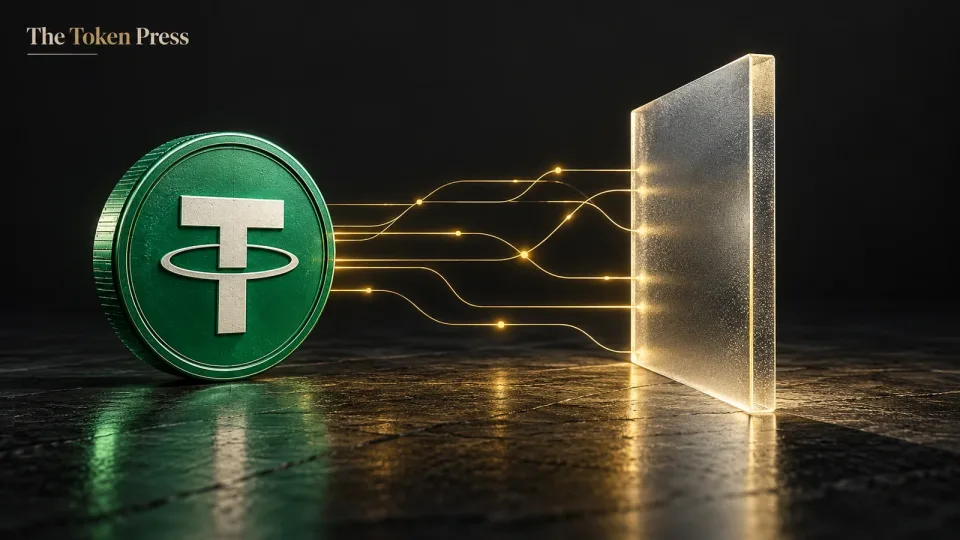
The intervention
Tether reported freezing nearly $1.57 billion related to the Binance incident, Reuters reported. CEO Paolo Ardoino’s original announcement provides the issuer’s account of that action. The figure is a snapshot from the announcement, not a new recovery total.
What Tether and USDT are
Tether is the organization behind USDt, widely written as USDT, a token designed to track the U.S. dollar. Its official FAQ dates the platform’s launch to 2014 and describes tokens issued across multiple blockchains. Tether says its tokens are backed by reserves including currency, cash equivalents and other assets. That is the issuer’s description of its backing model, not a claim that every token corresponds to an individually segregated dollar banknote.
Why the company can act on a blockchain token
Tether’s current terms reserve powers to freeze tokens and blacklist addresses in circumstances described by those terms and applicable law. Its service counterparty is Tether International, S.A. de C.V., which the terms identify as redomiciled to El Salvador. These provisions illustrate a centralized issuer’s role even when its tokens move on a public blockchain.
The boundary of the intervention
The important distinction is between the network carrying a token and the organization administering that token. A USDT restriction should not be described as Tether freezing an entire blockchain or gaining control of every asset held at an address. Nor does an issuer’s announcement settle who ultimately receives the restricted funds. Those questions need asset-specific evidence and subsequent reporting.
Reserve backing answers a different question
Reserve disclosures help explain what supports a token’s intended dollar value. They do not, by themselves, demonstrate that a particular stolen balance has been returned. Conversely, restricting transfers at an address does not amount to a fresh audit of all reserves. Keeping these two functions separate makes the issuer’s response easier to evaluate without overstating what it proves.
What to look for next
The next useful disclosure would identify any additional restricted balances, distinguish new interventions from earlier ones and describe a completed return if one occurs. For now, the news is the issuer’s reported intervention; the outcome for specific customer balances remains a separate reporting question.
For the broader incident, read our latest Binance report and our explanation of frozen versus recovered funds. Our stablecoins and reserves guide explains the underlying issuer model.
Sources
- Tether: official token and reserve FAQ
- Tether: current terms and issuer identity
- Paolo Ardoino: original incident freeze statement
- Reuters: Tether and Circle incident interventions
Information checked October 30, 2026, 05:21 UTC. Incident figures describe the cited announcements, not a live audited balance.